
Painting and Drawing
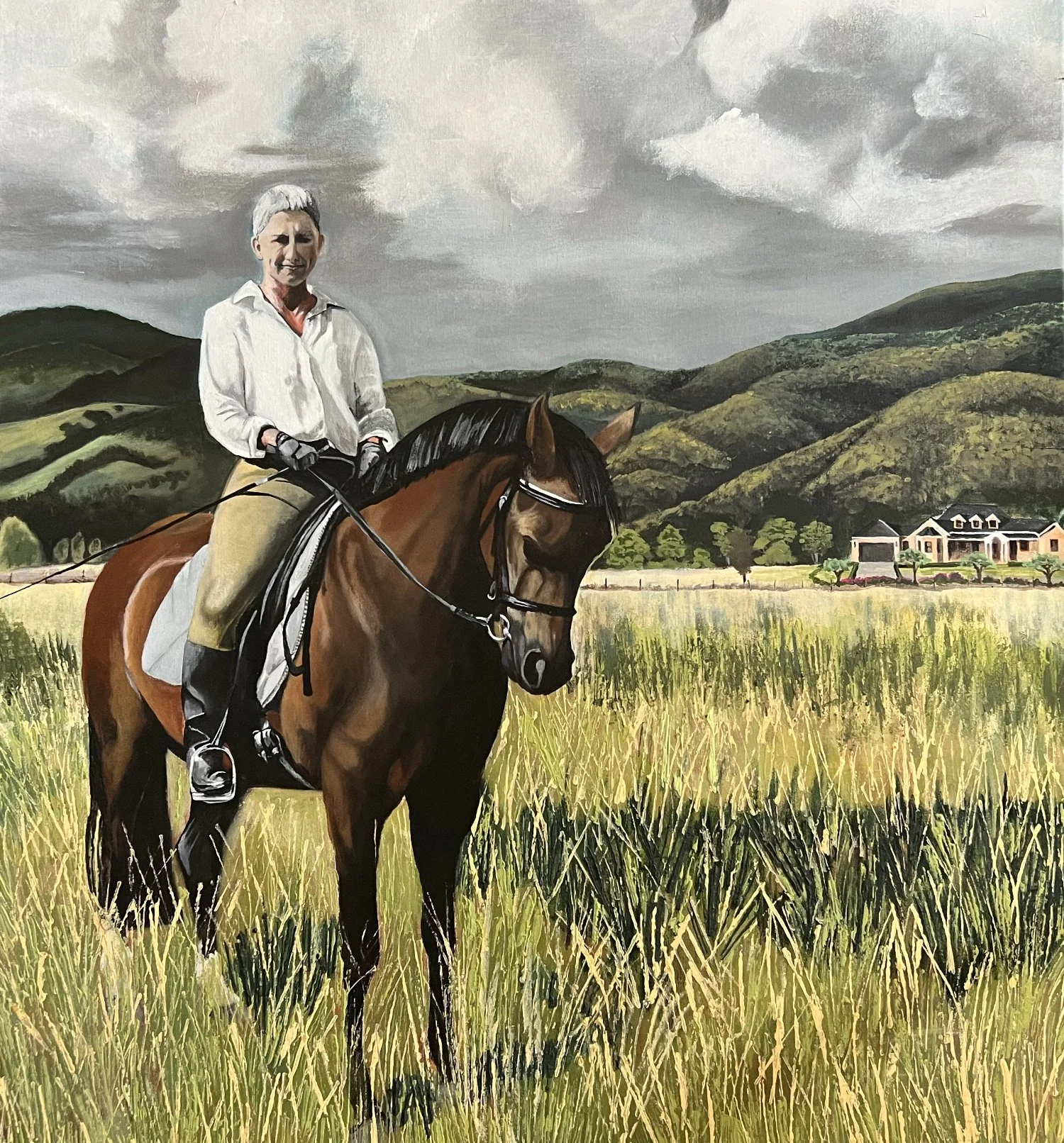
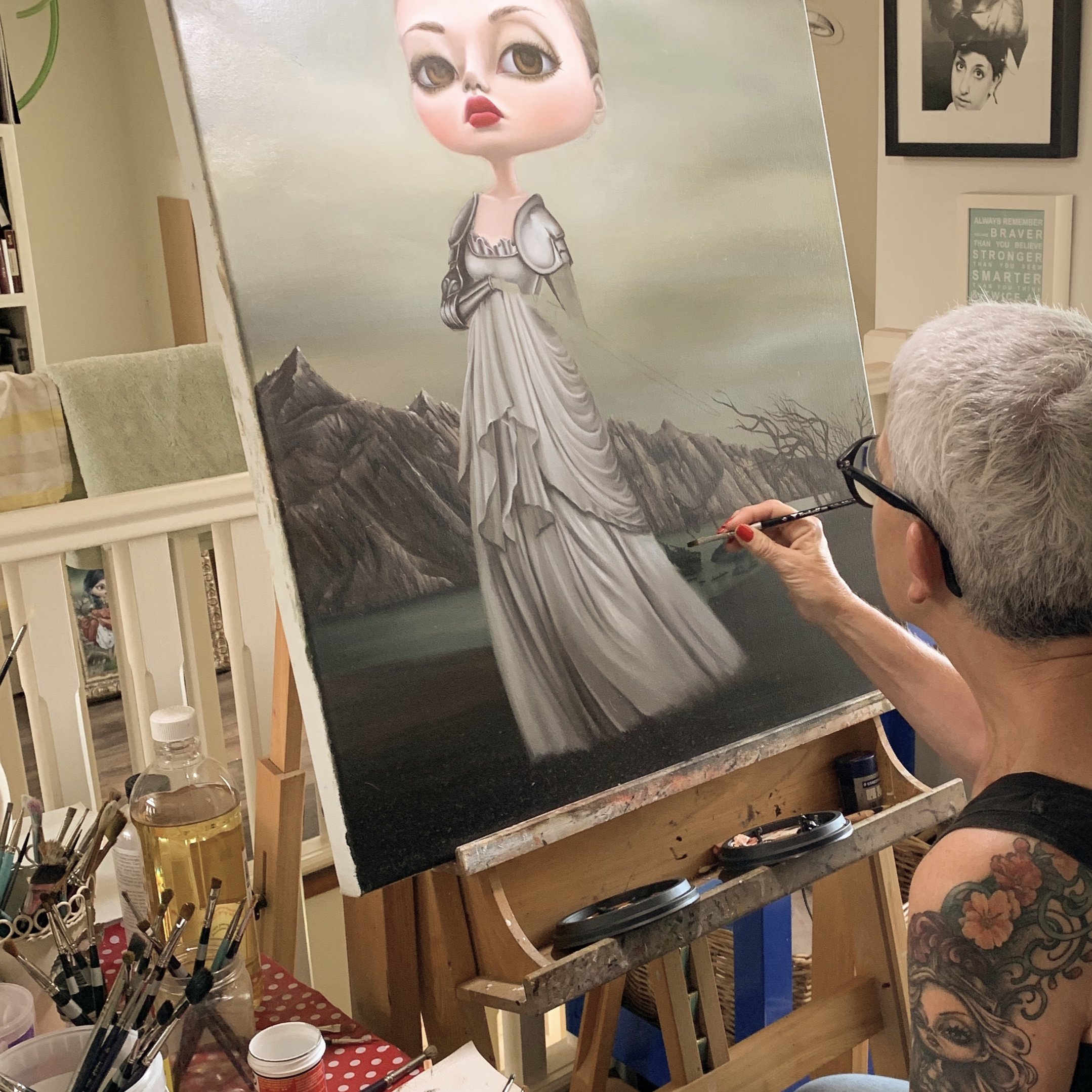
Would you love to learn to paint or draw? Do you feel it is only for the gifted and talented? Drawing and painting are skills, knowledge and understandings that can be passed on to and enjoyed by anyone willing to learn and ‘have a go’! Learn painting and drawing with an experienced, widely exhibited artist and dedicated teacher whose practice spans realism through to abstraction. With a strong foundation in both oils and acrylics, pencil, pen and mixed media, my tuition is shaped by deep practical knowledge, thoughtful observation, and years of professional studio, classroom and exhibition experience. Teaching is tailored to each student, combining clear technical guidance with encouragement to explore different approaches, develop confidence, and find a personal visual language, whether working representationally, abstractly or more expressively.

Start with a free consultation
〰️
Start with a free consultation 〰️
Course and Workshops
-
Strong Foundations
Understanding oil/acrylic paints, mediums, and materials
Safe and confident studio practice
How to set up your palette and workspace
Simple, effective colour mixing
Seeing light, dark, and value clearly
Confident brush handling and paint control
Layering, glazing and process development
Finishing
Essential Painting Skills
Drawing and composition for painting
Simplifying complex subjects
Developing patience and visual awareness
-
This is for more advanced painters and tuition goes beyond technical instruction. Ongoing mentoring helps you understand why a painting works or doesn’t, and how to move forward with clarity and confidence.
Clear, constructive feedback on your works in progress.
Guidance through common challenges
Learning when to stop and when to push further
Building confidence through steady progress
Refining your own way of working
Reflecting on your work with confidence
-
Learning to see: developing visual awareness, perception, and drawing from direct observation
Observation drawing: drawing from still life, objects, simple environments and photographs
Interpretive drawing: translating what you see into personal and expressive marks
Abstract drawing: exploring shape, line, texture, and composition beyond realism
Working with a range of materials: graphite, pastel, oil stick, pen, ink, and wash, charcoal
Exploring different surfaces: paper types, textured grounds, and experimental supports
Drawing techniques: blending, cross hatching, mark making, and line control
Using tone and value: creating depth, contrast, and form
Introduction to design basics: composition, balance, rhythm, and focal points
Encouraging experimentation, confidence, and personal visual language